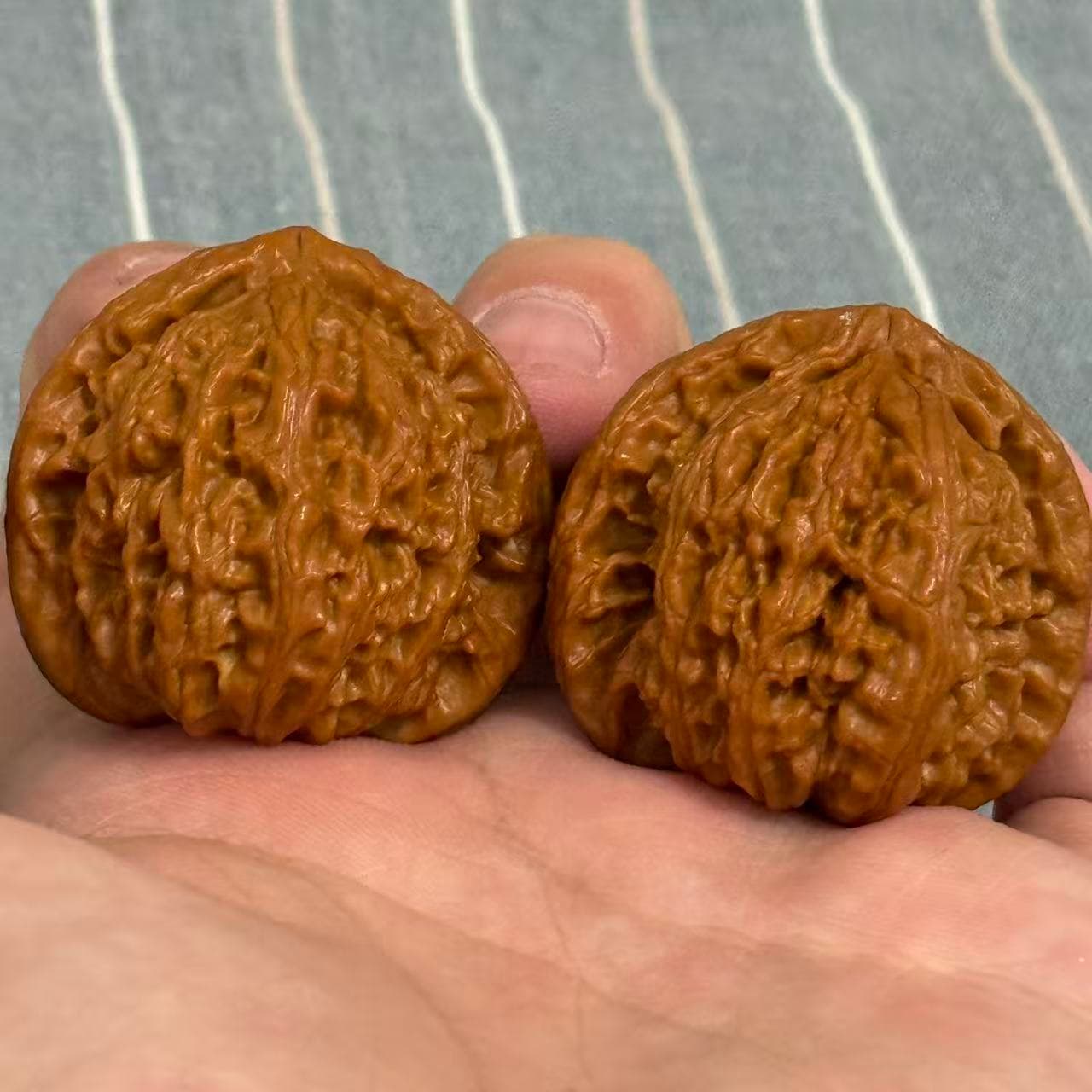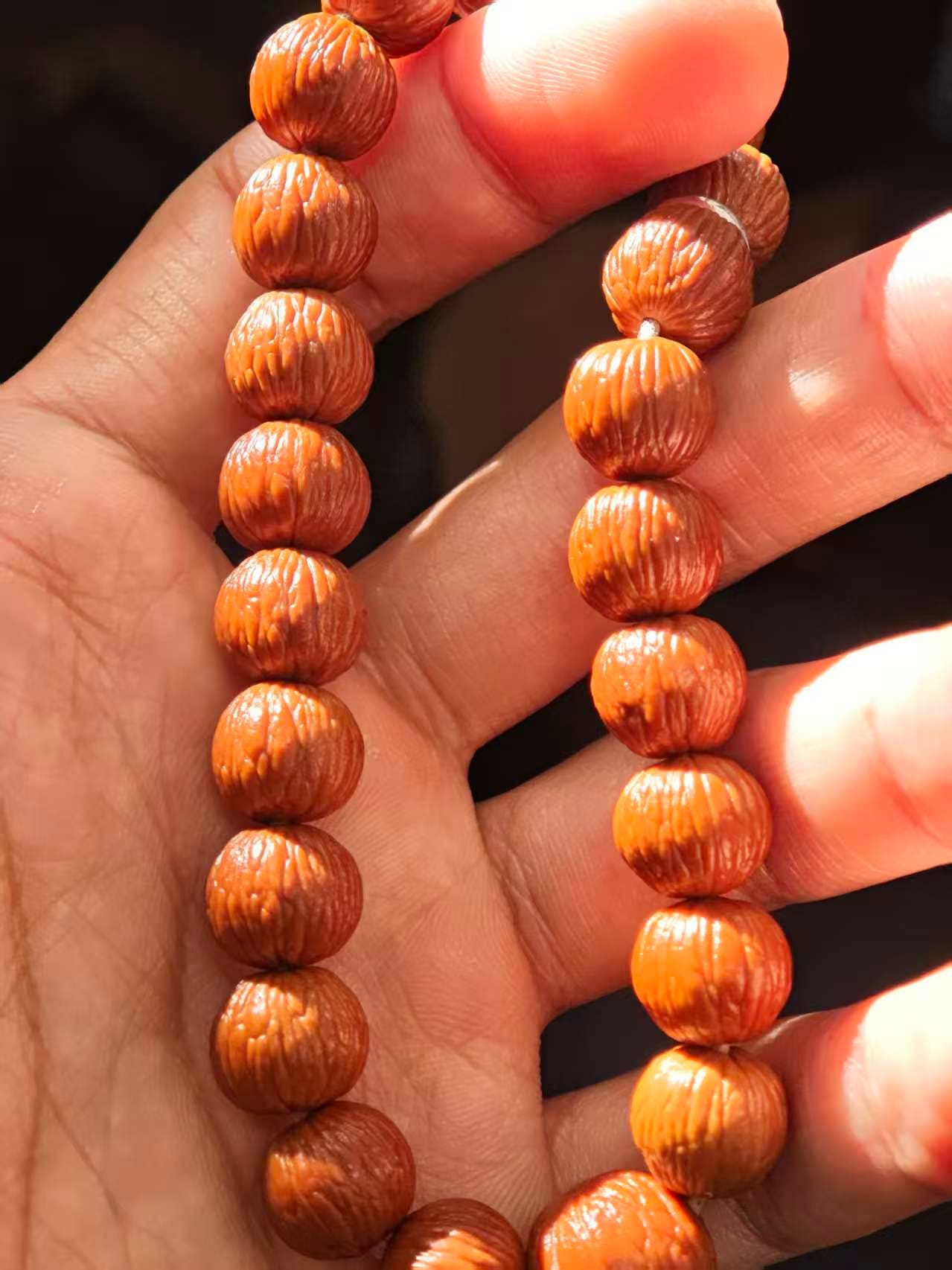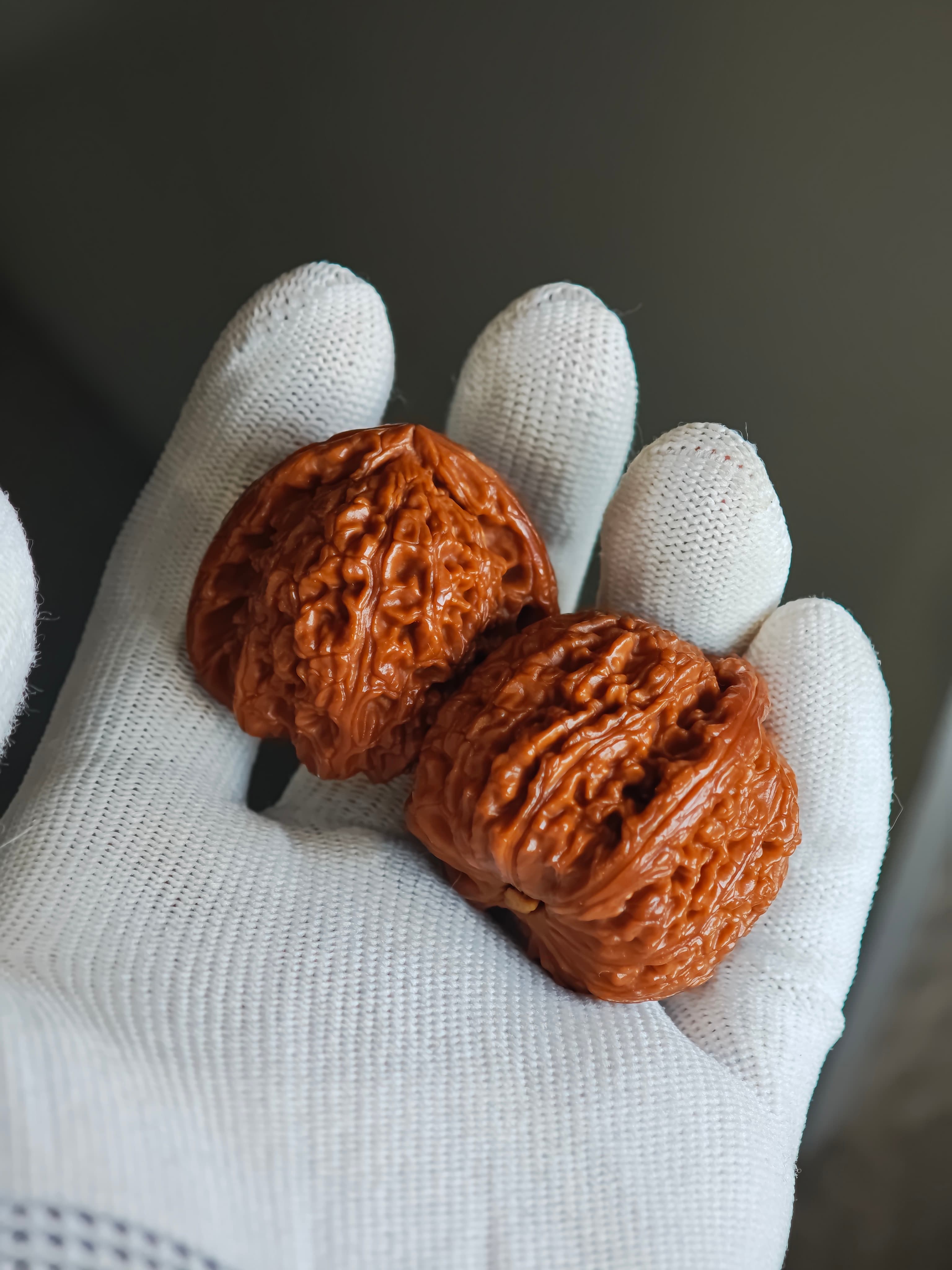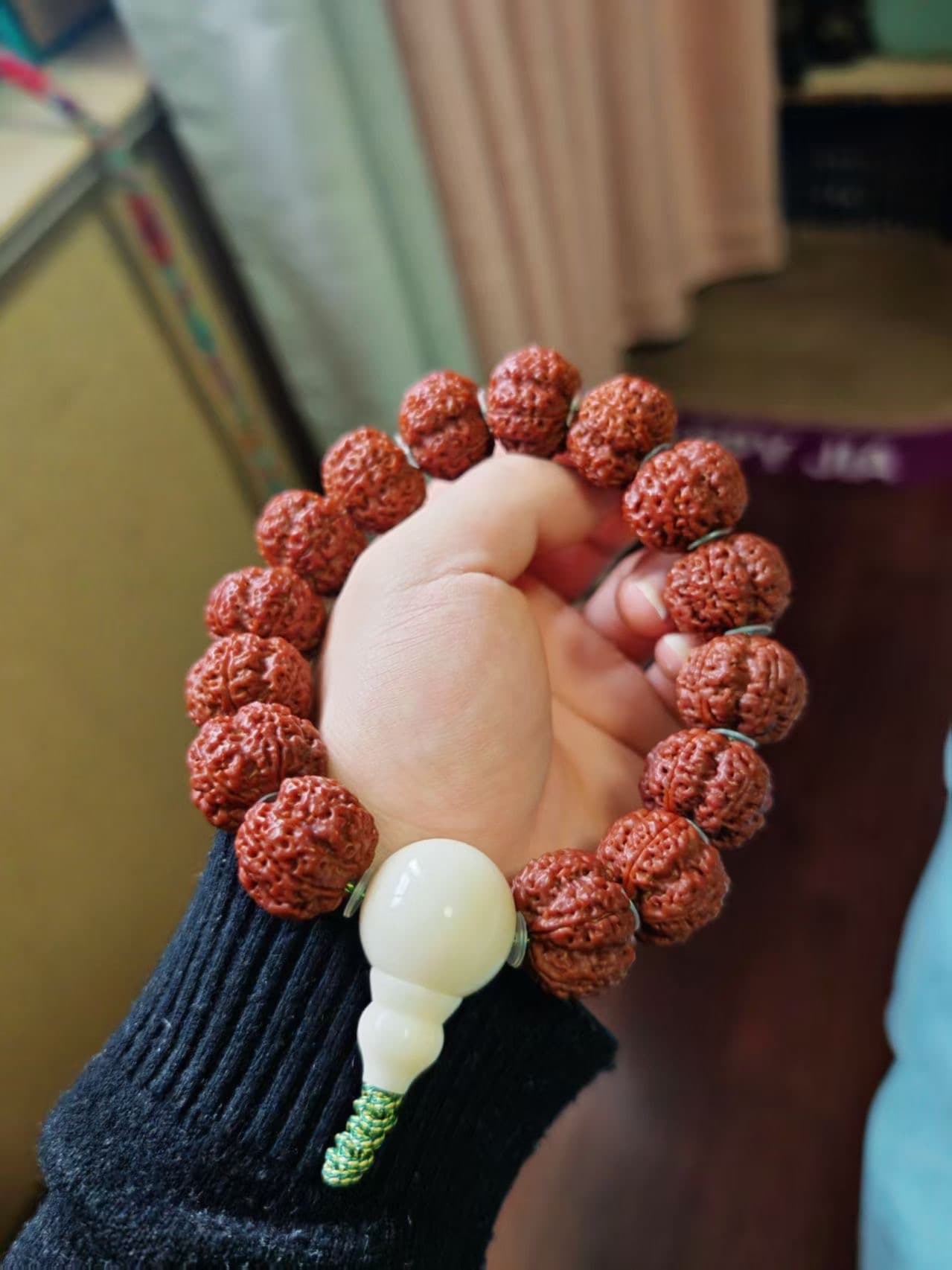
形状
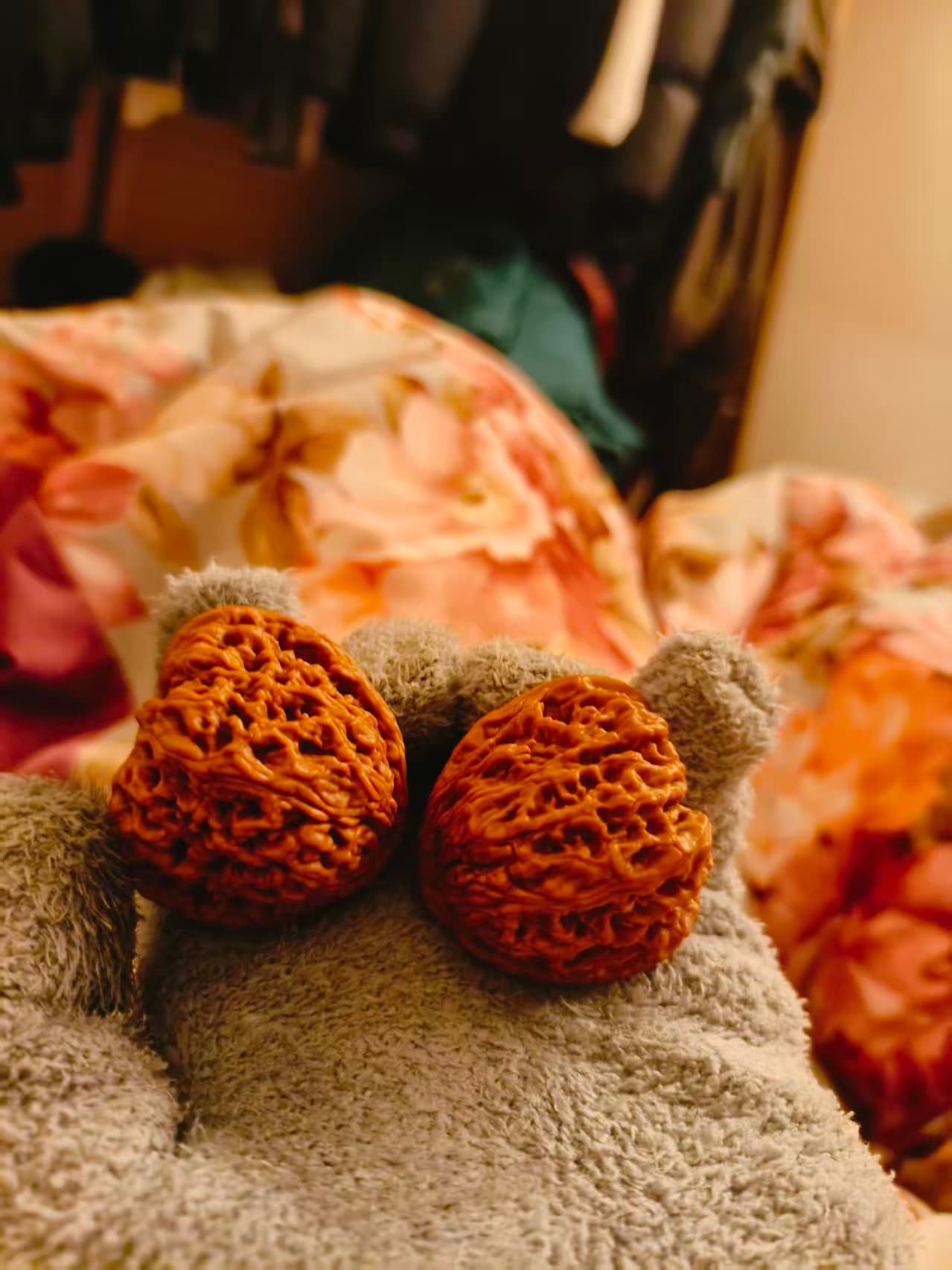
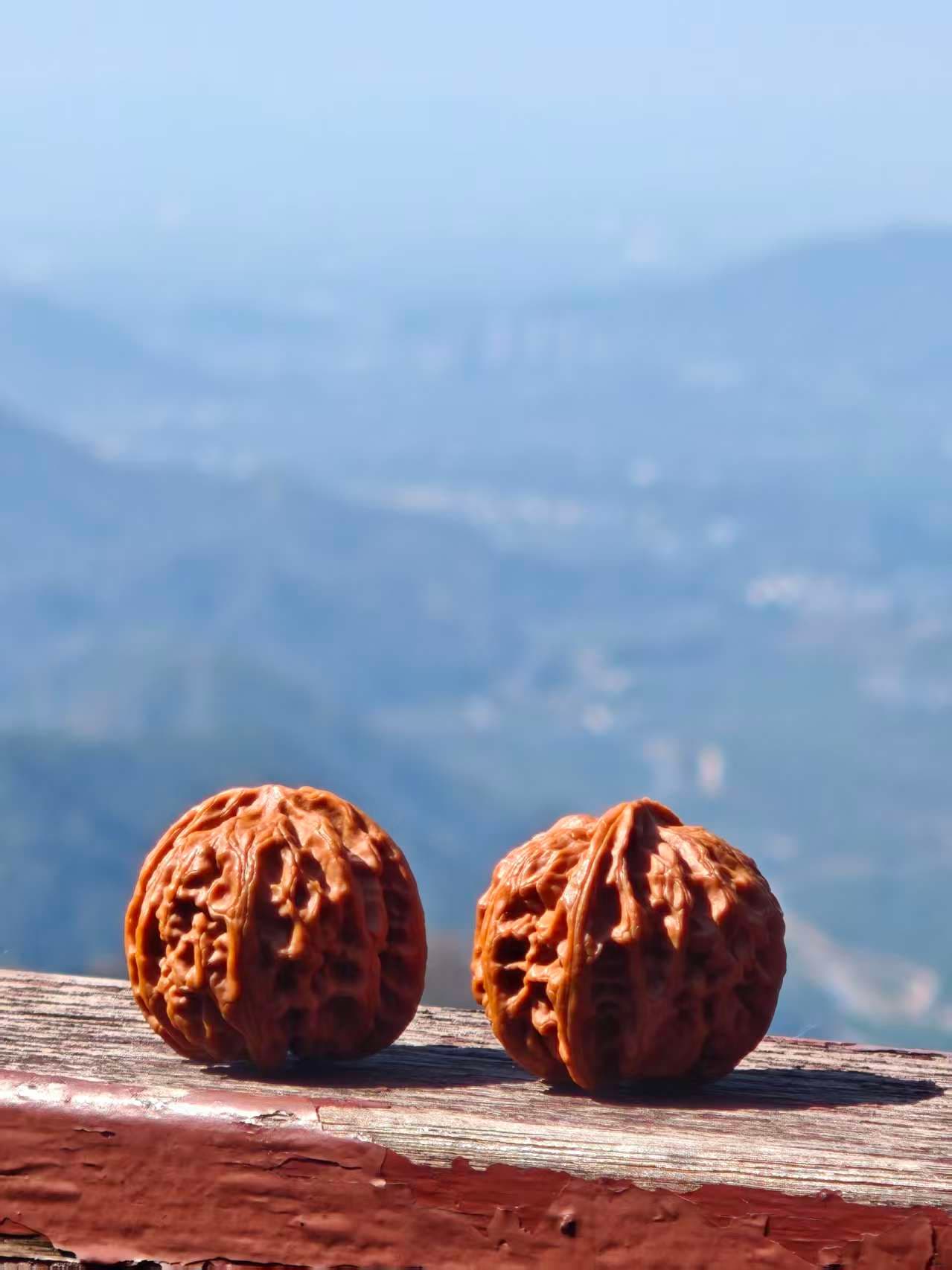
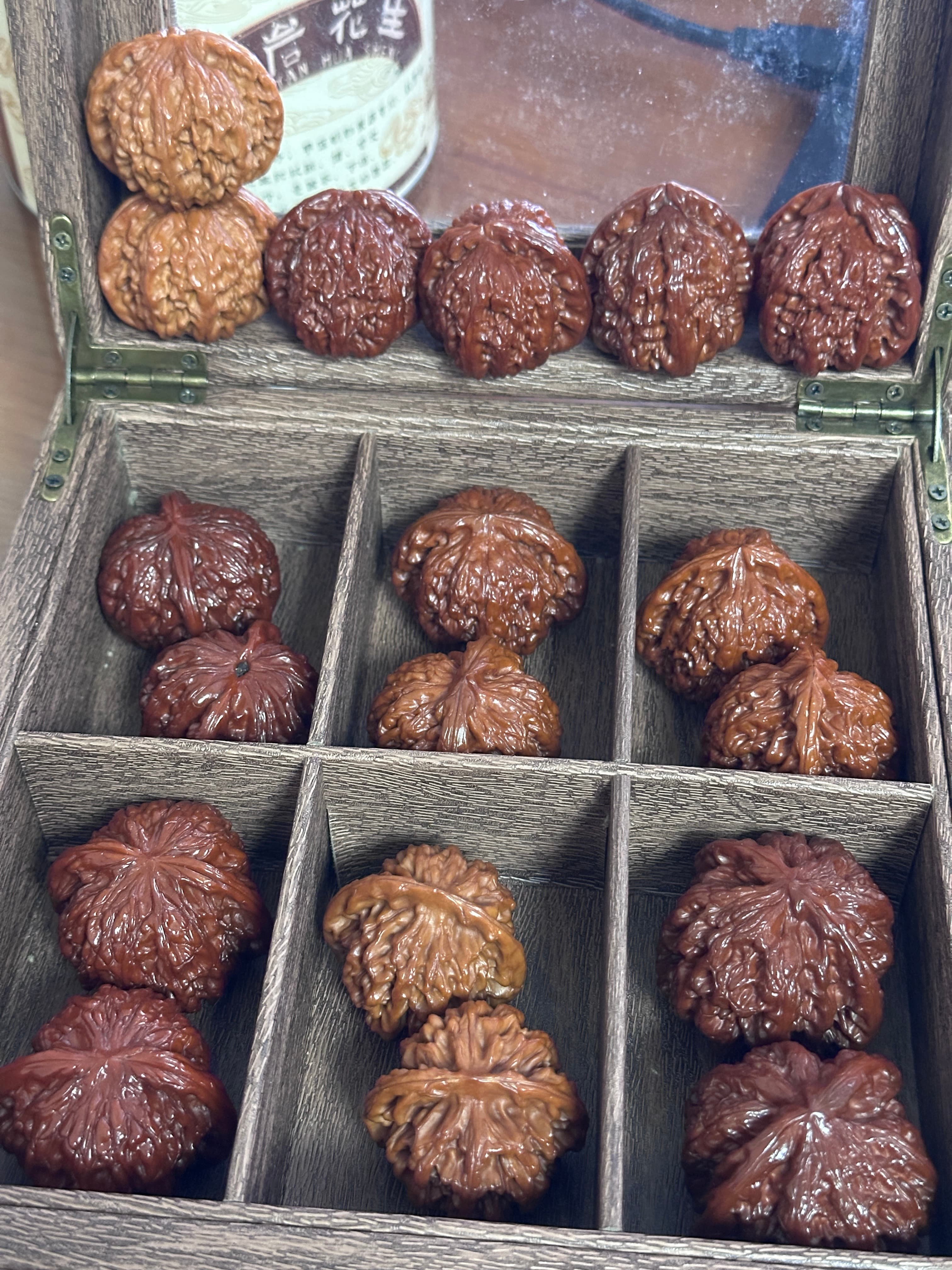
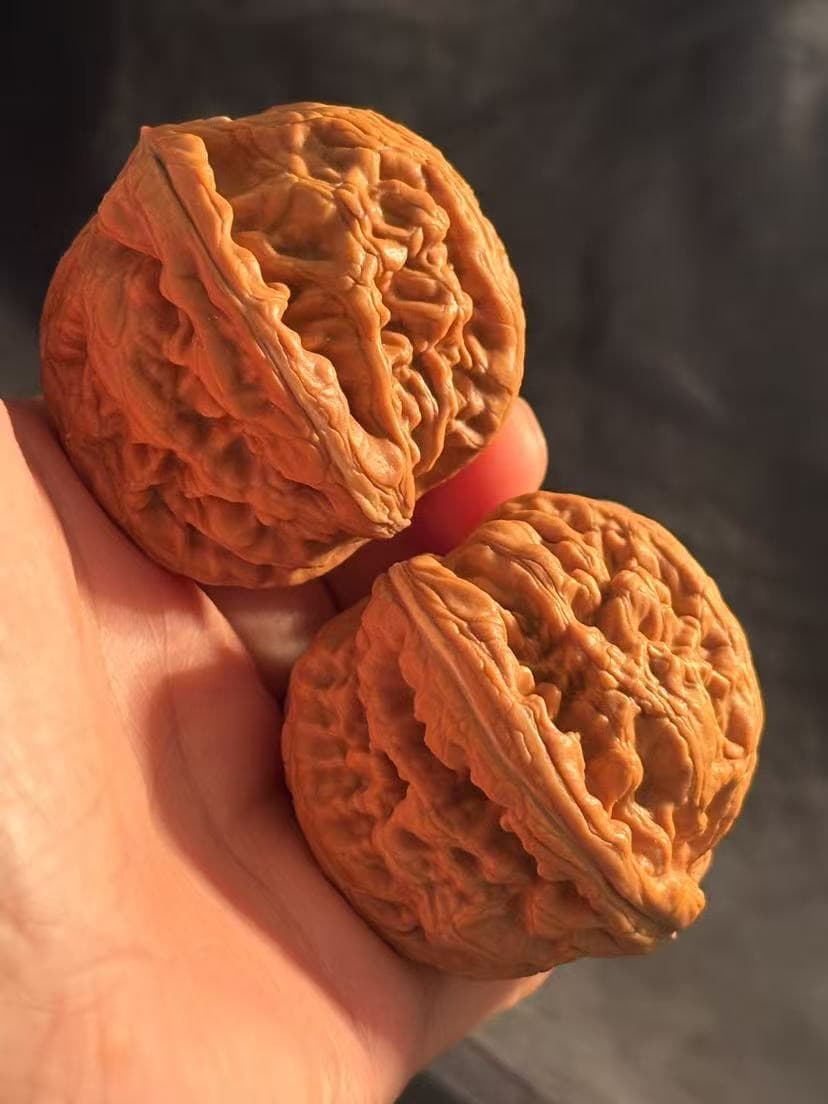
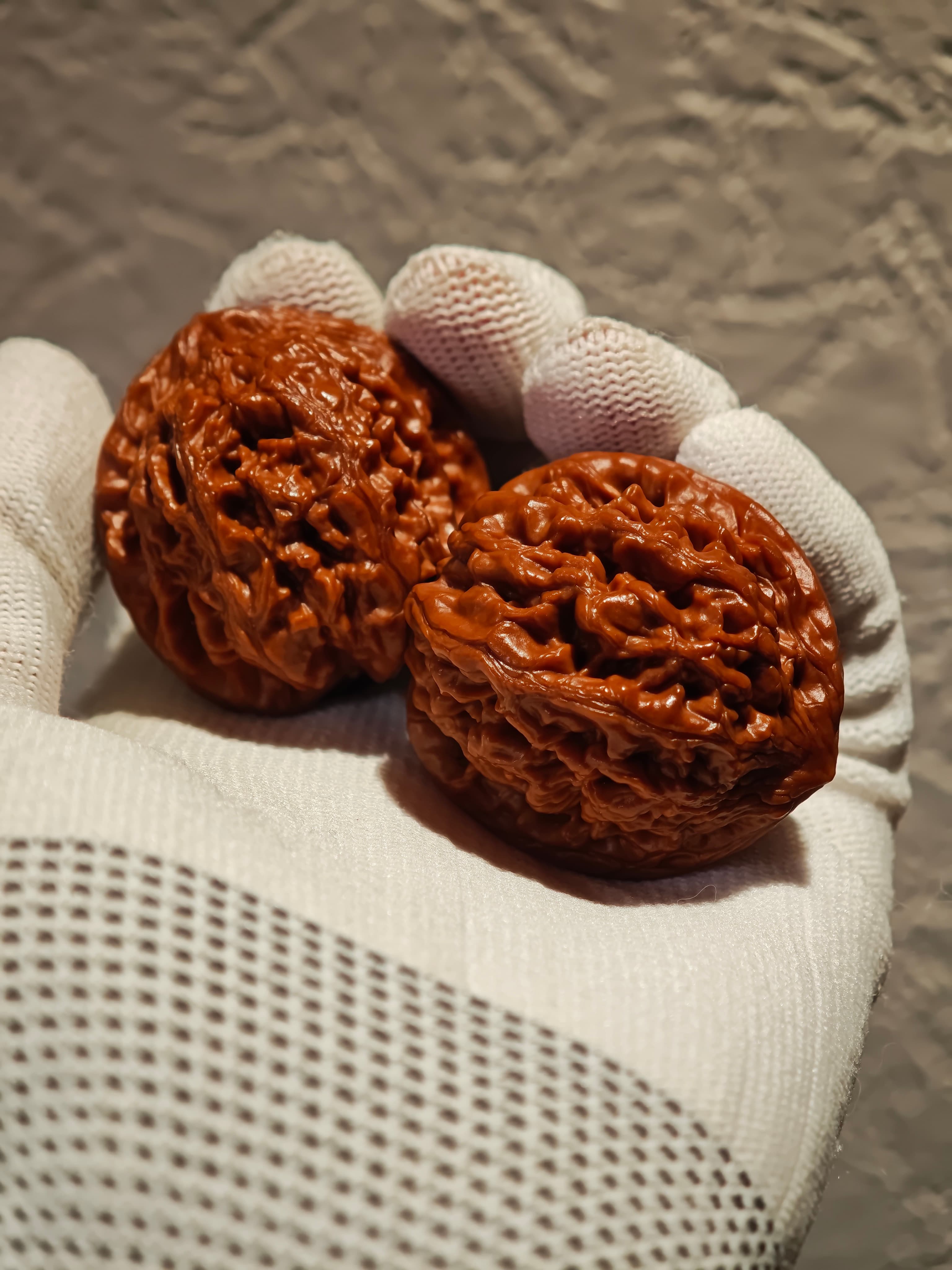
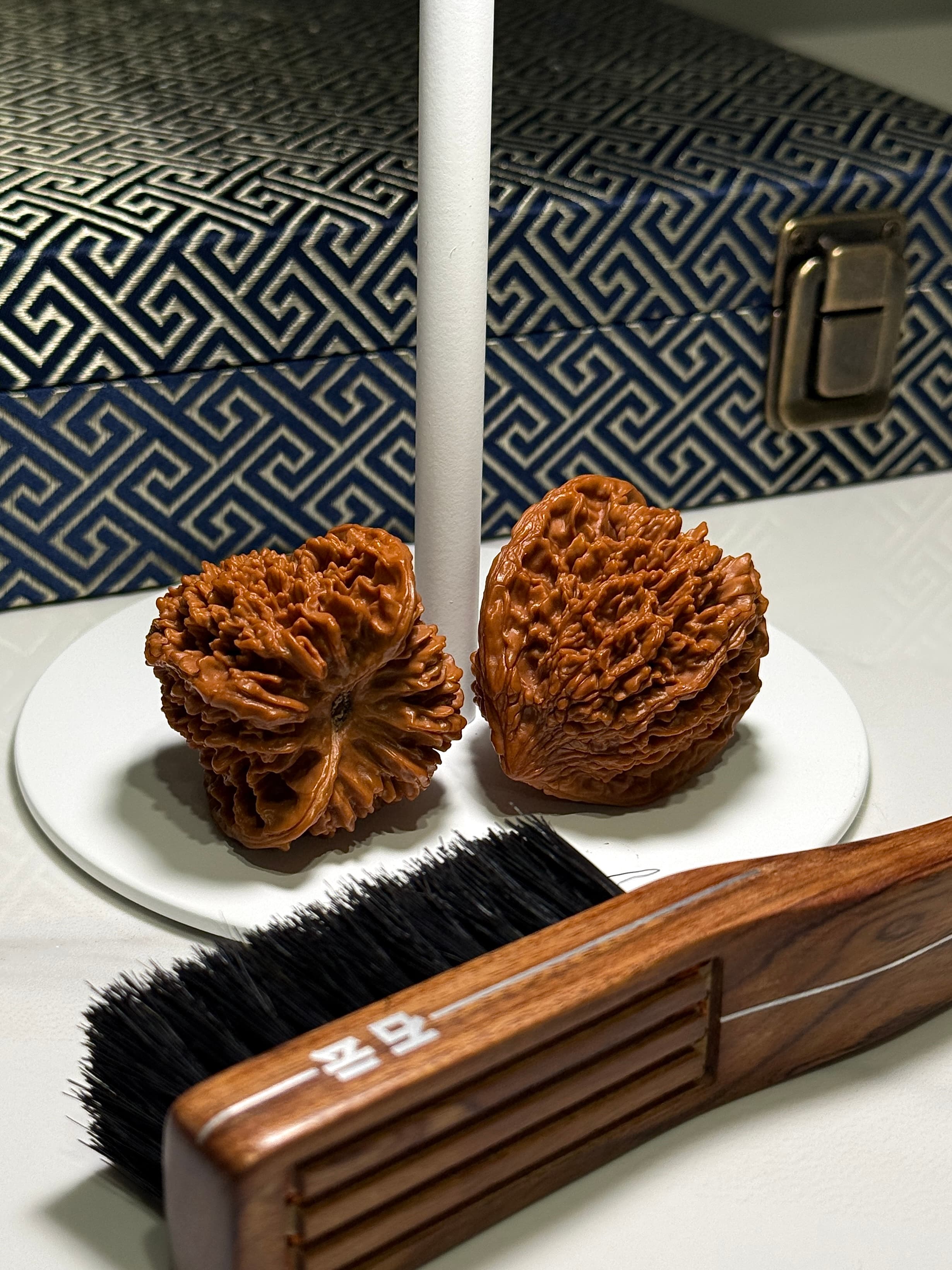
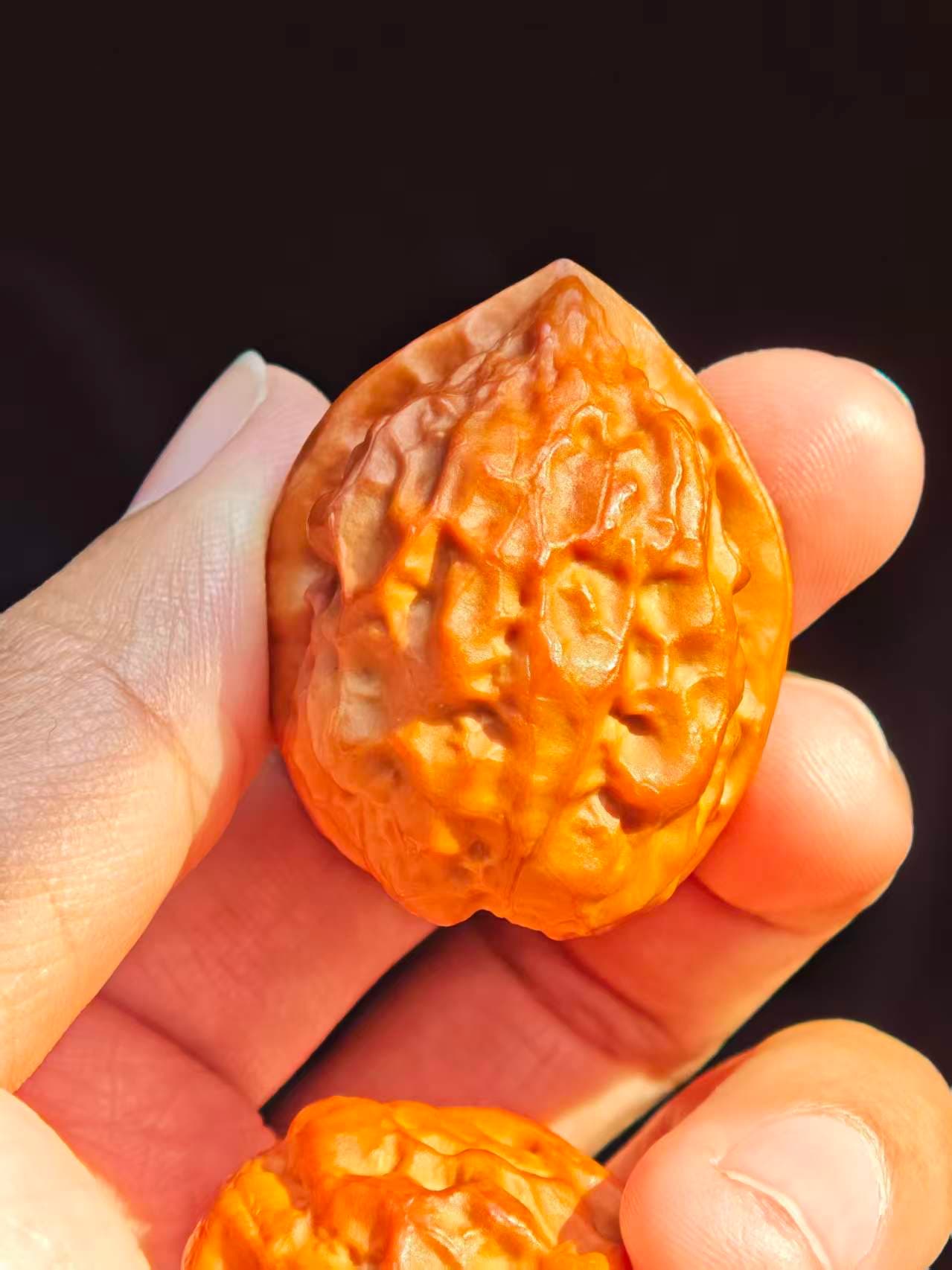
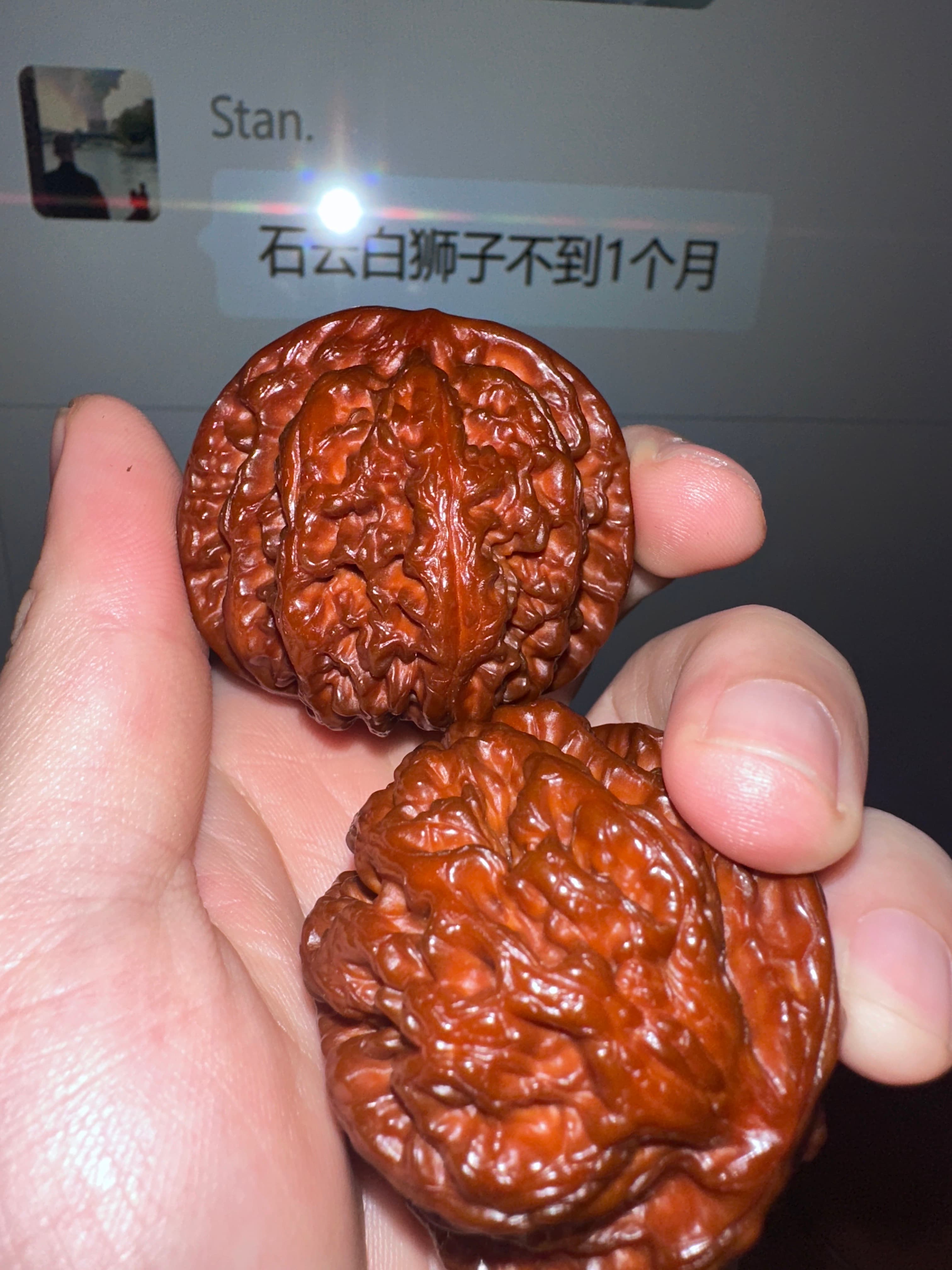
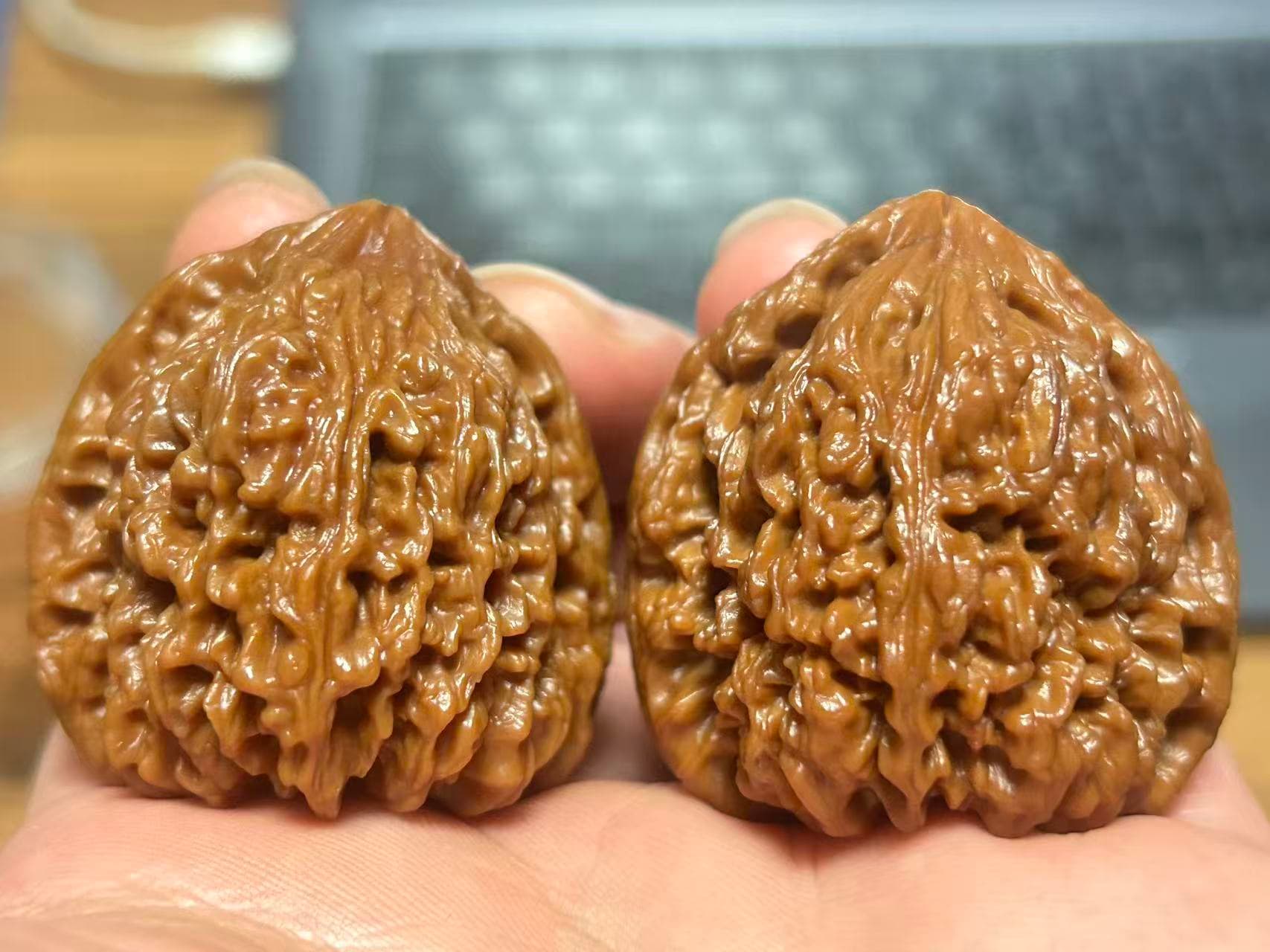
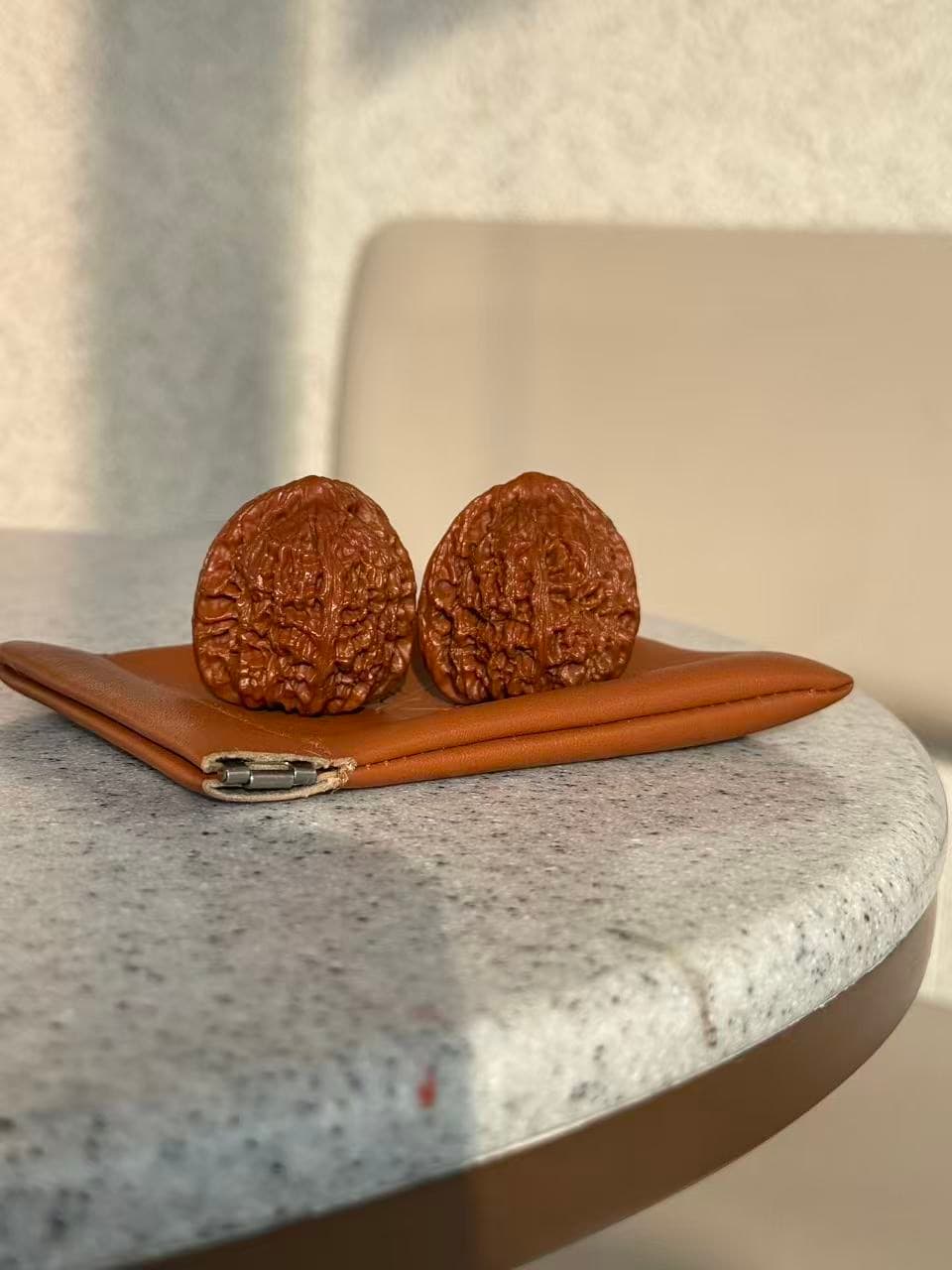
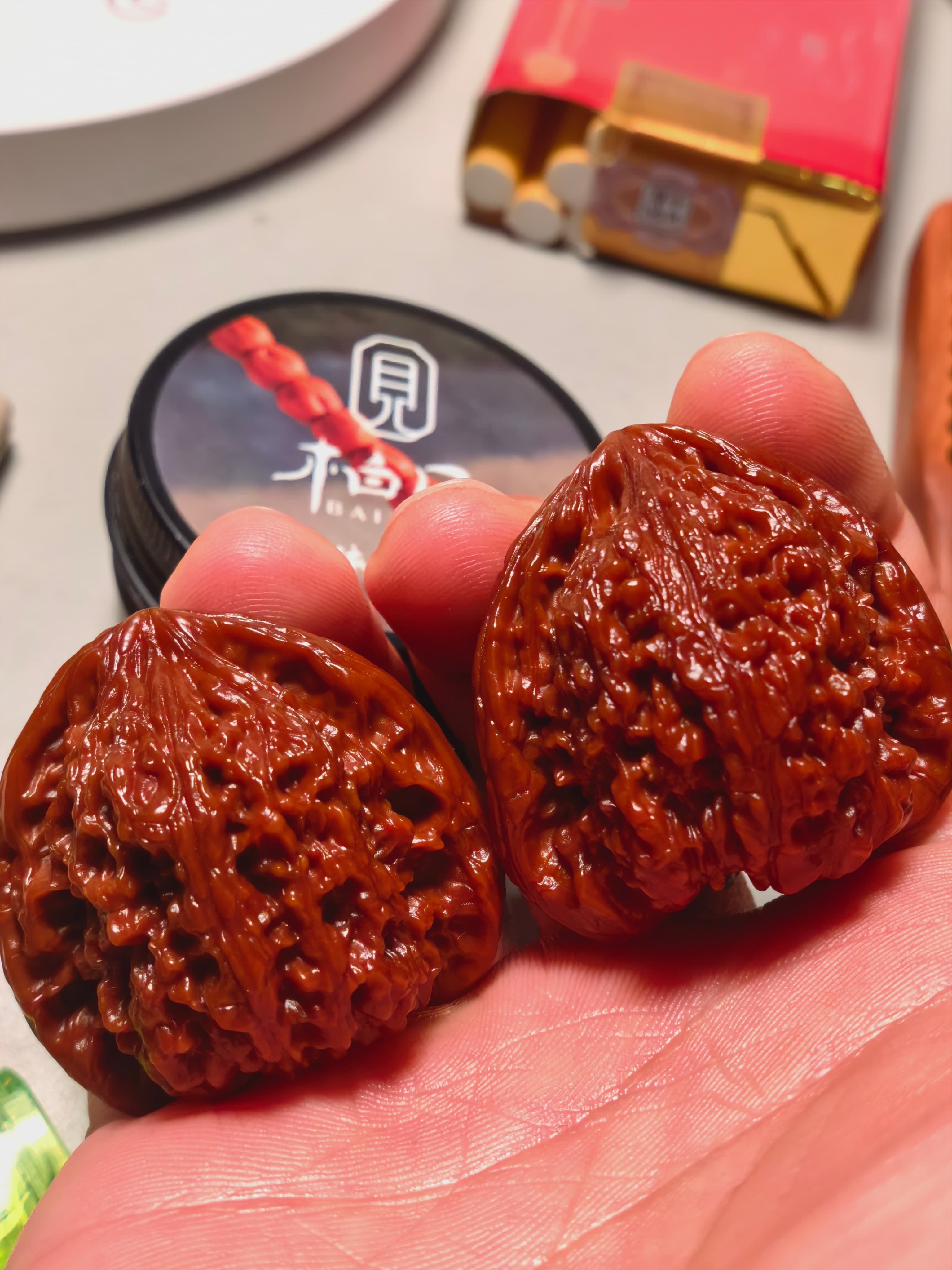
先看整体轮廓。圆润饱满通常指向狮子头;顶部较平、棱线更硬指向官帽;底部宽厚沉重指向磨盘。
形状在任何标签之前告诉你它属于哪个家族。
对比品种展示
按自然顺序浏览中国手玩核桃案例,再按媒介类型或类别筛选。
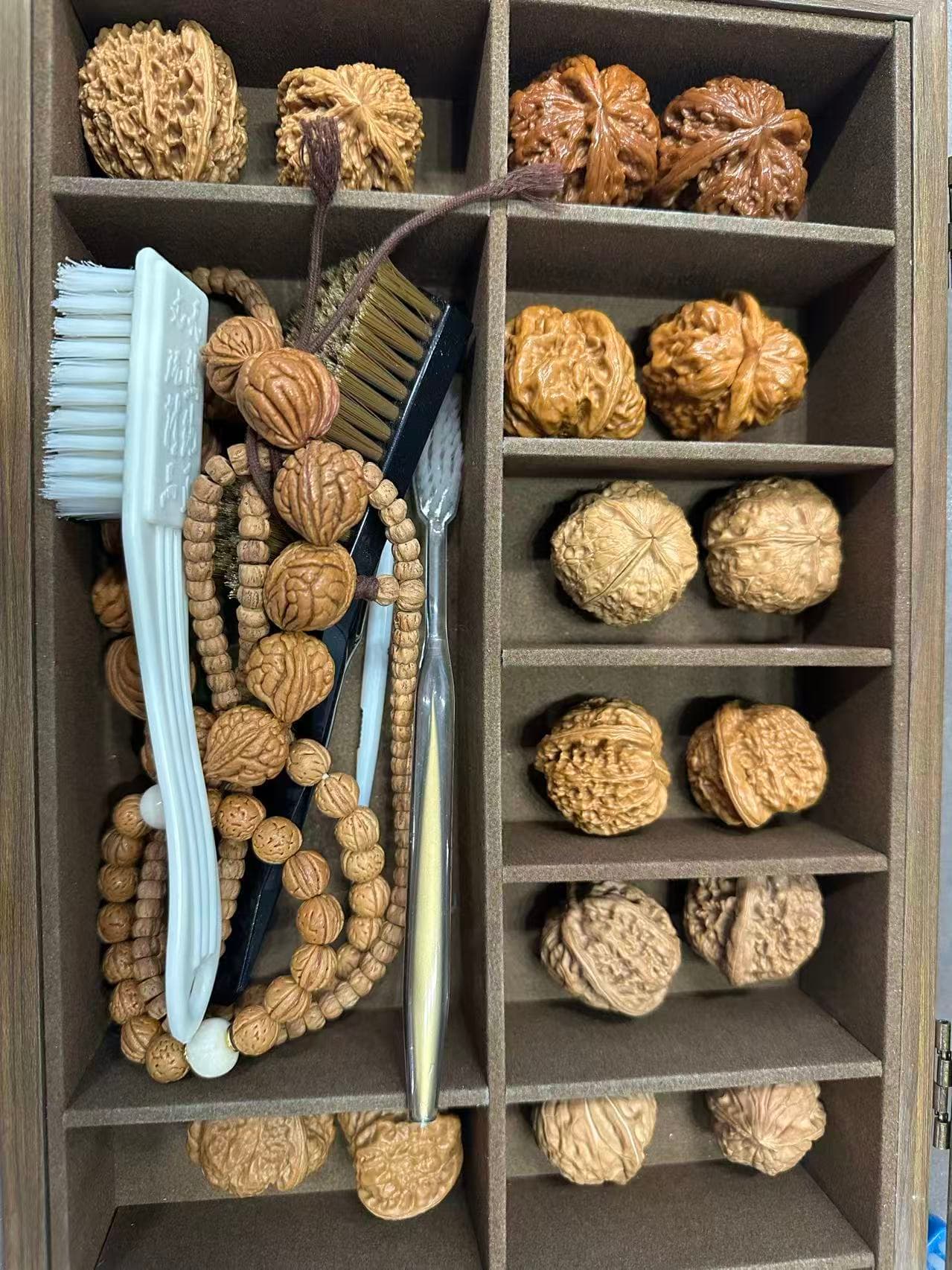
这个图集是真实核桃对的参考档案。与其只是浏览图片,不如用每张照片练习有经验的收藏者最先关注的五件事。
先看整体轮廓。圆润饱满通常指向狮子头;顶部较平、棱线更硬指向官帽;底部宽厚沉重指向磨盘。
形状在任何标签之前告诉你它属于哪个家族。
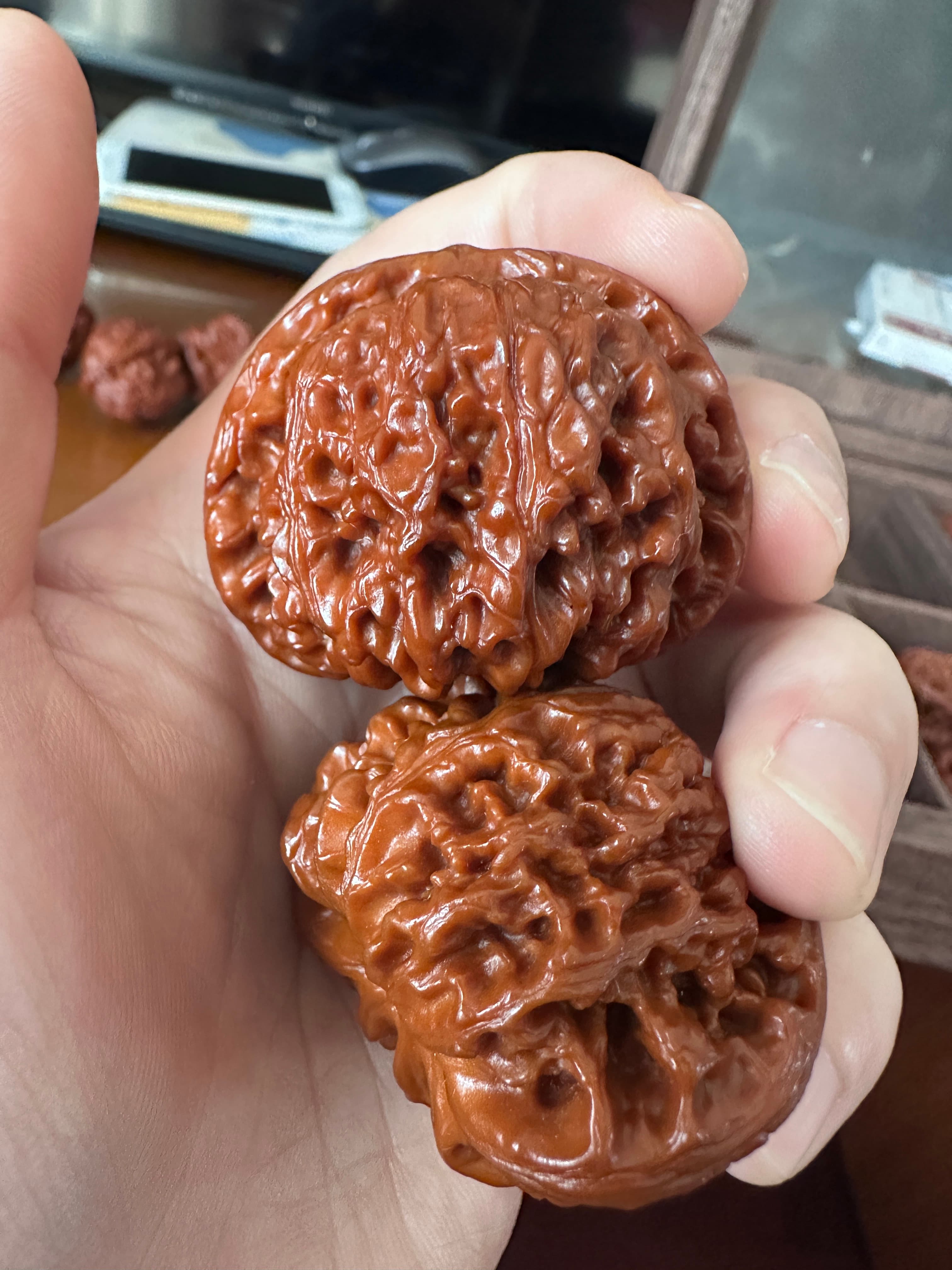
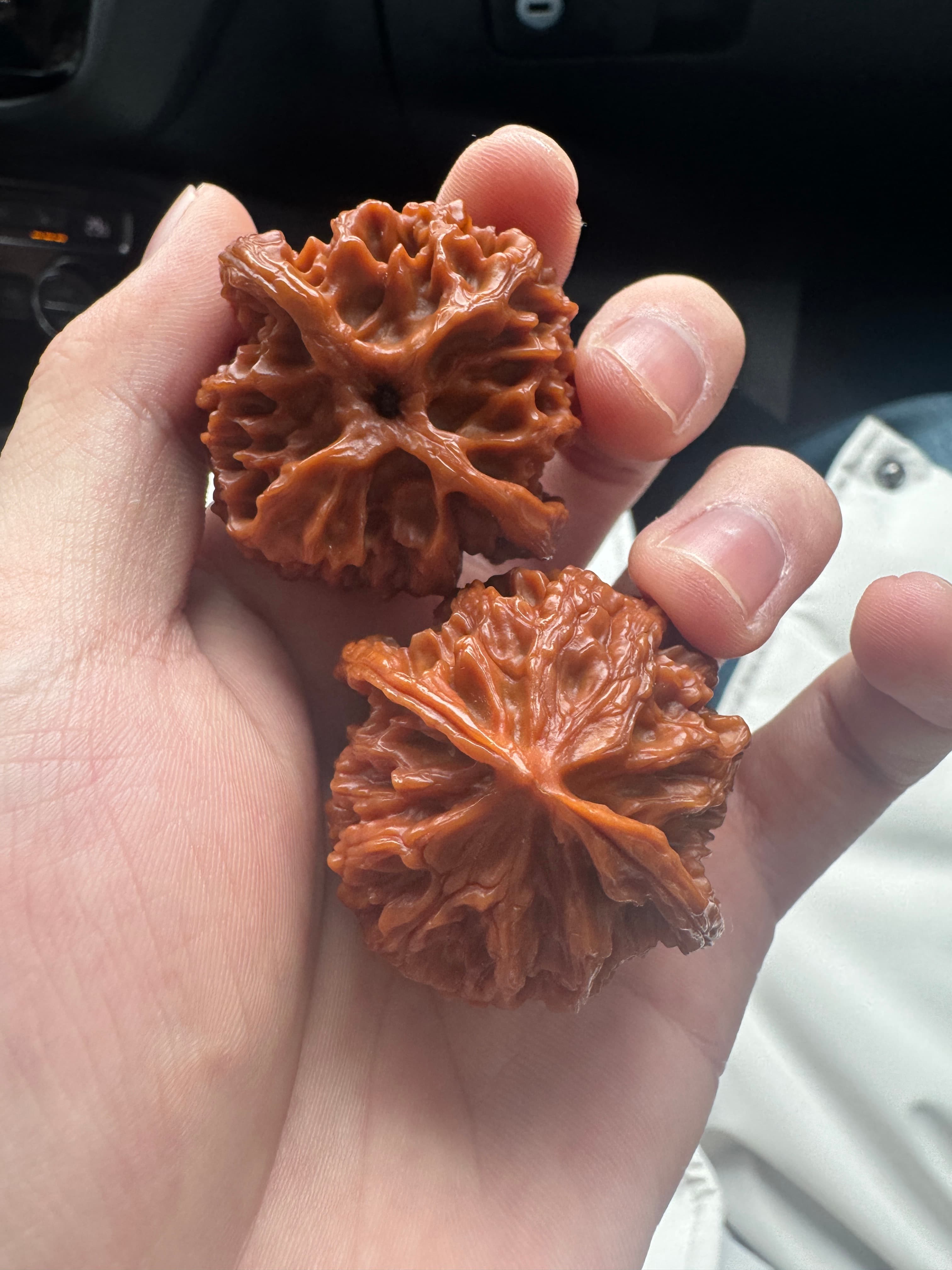
对比品种看棱线和沟壑。天然纹理看起来自然、略有不规则;看起来像压制或过于均匀的纹理可能是警示信号。
纹理同时影响外观和手感。
纹理术语把两颗核桃当作一个整体来比较。好的配对意味着大小、重量、轮廓和表面质感相近。真正的一对通常看起来“相关”,而不是机械式地相同。
好的配对让一组核桃更舒服、更受欢迎。
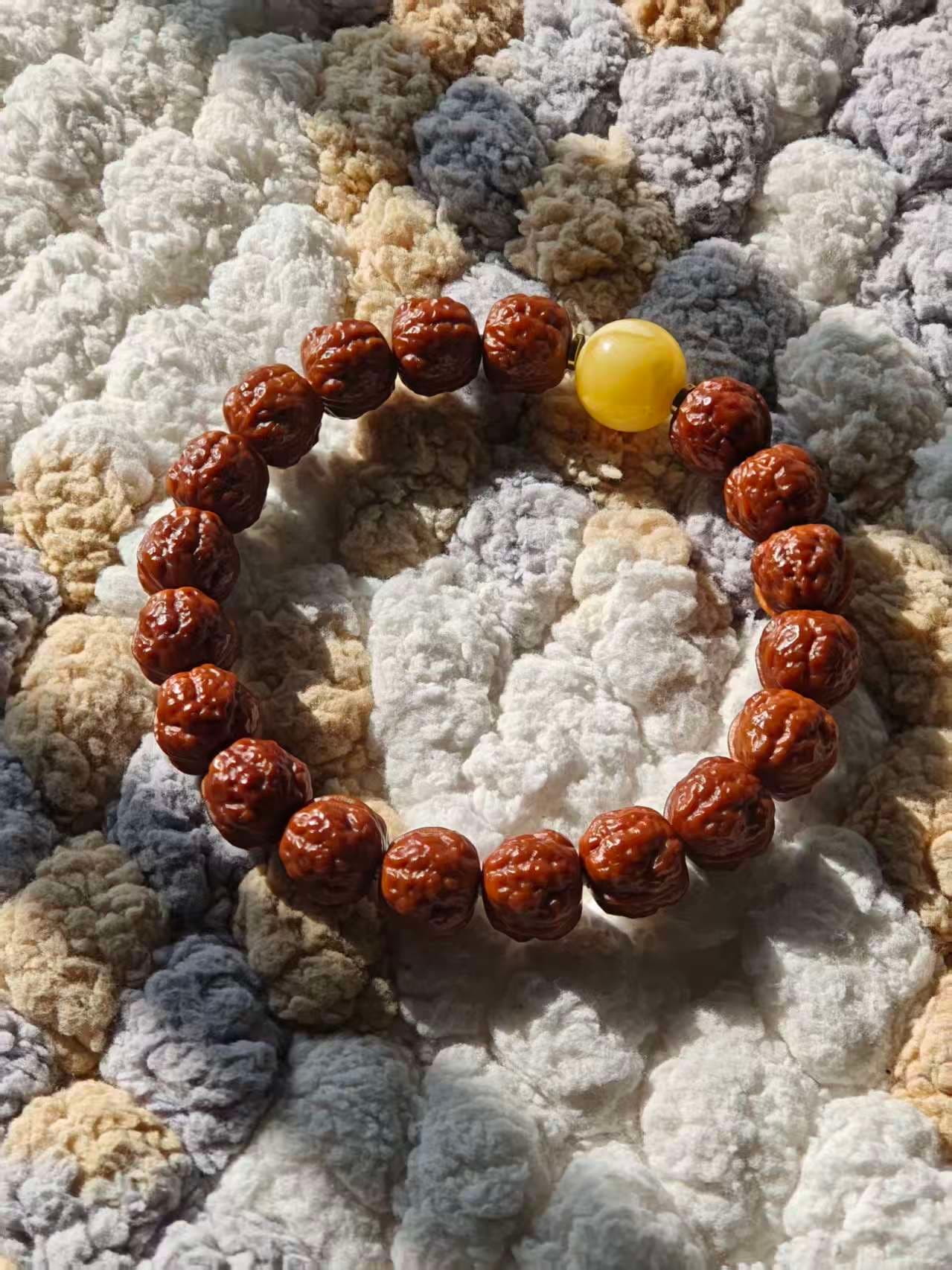
挑选指南看表面光泽。由把玩自然累积的均匀、沉静的色泽是诚实的包浆。如果表面过快变得过亮、过匀,可能是被油催出来的。
包浆是这项爱好的长期回报。
包浆如何形成扫描裂纹、修补、染色或抛光痕迹。诚实的品相比一对被过度翻新、看起来比实际更新的核桃更耐看。
品相要在价格、名气、稀有度之前检查。
辨别造假
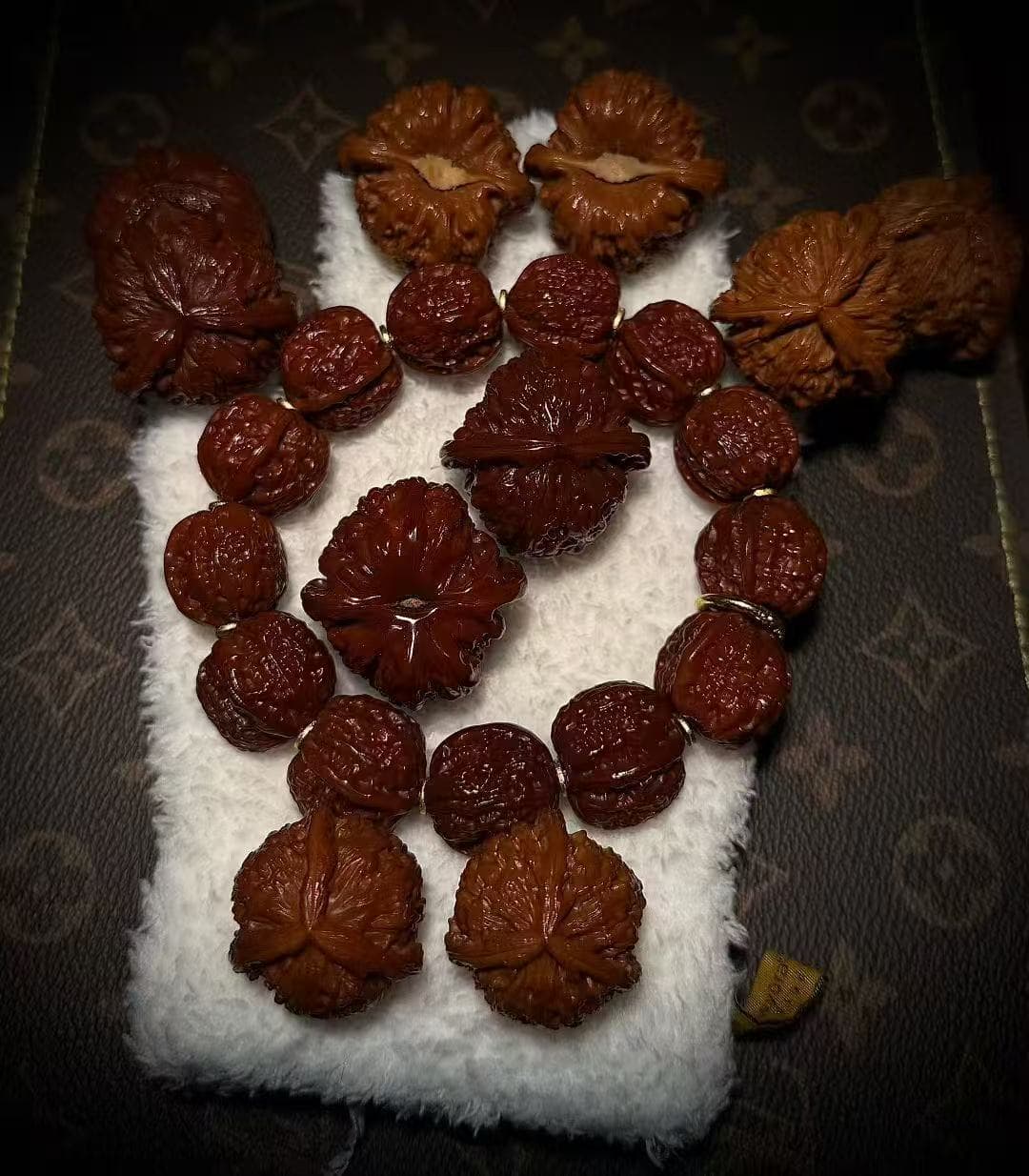
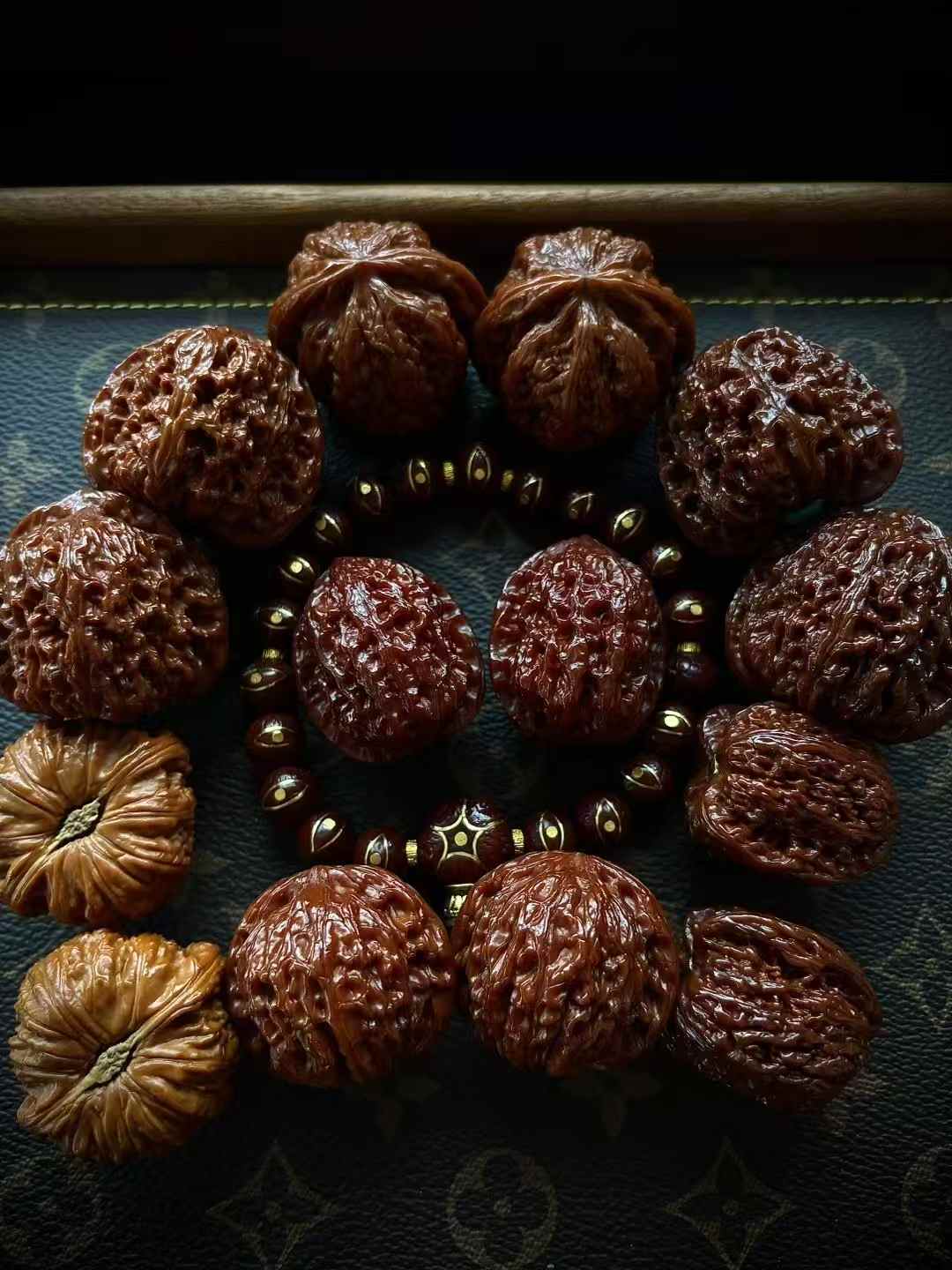
REF. 1 / General Reference
Wenwan Walnut Reference — General Reference (Ref. 1)
General focus — take in shape, texture, patina, and condition together before zooming in on any single trait.
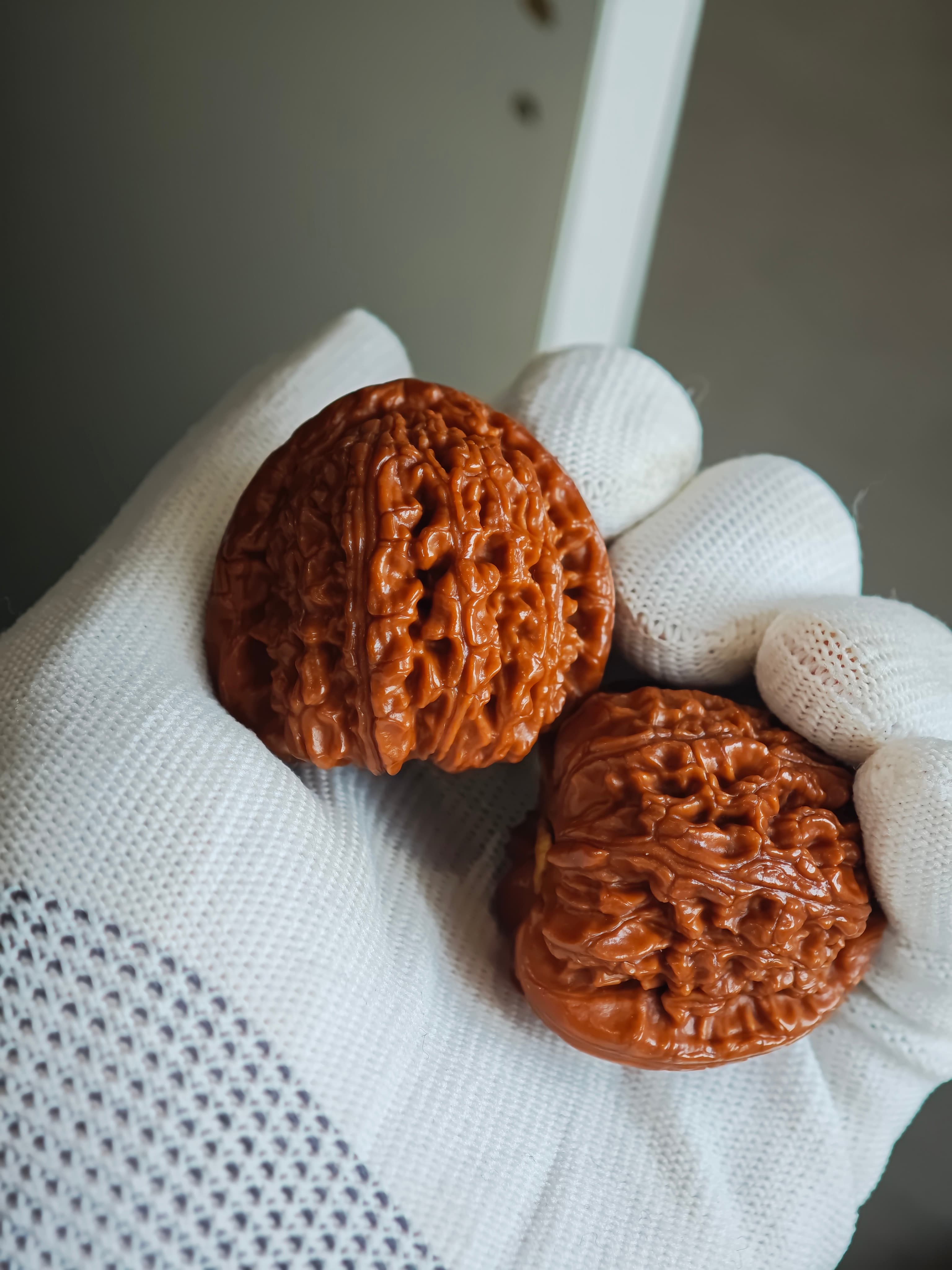
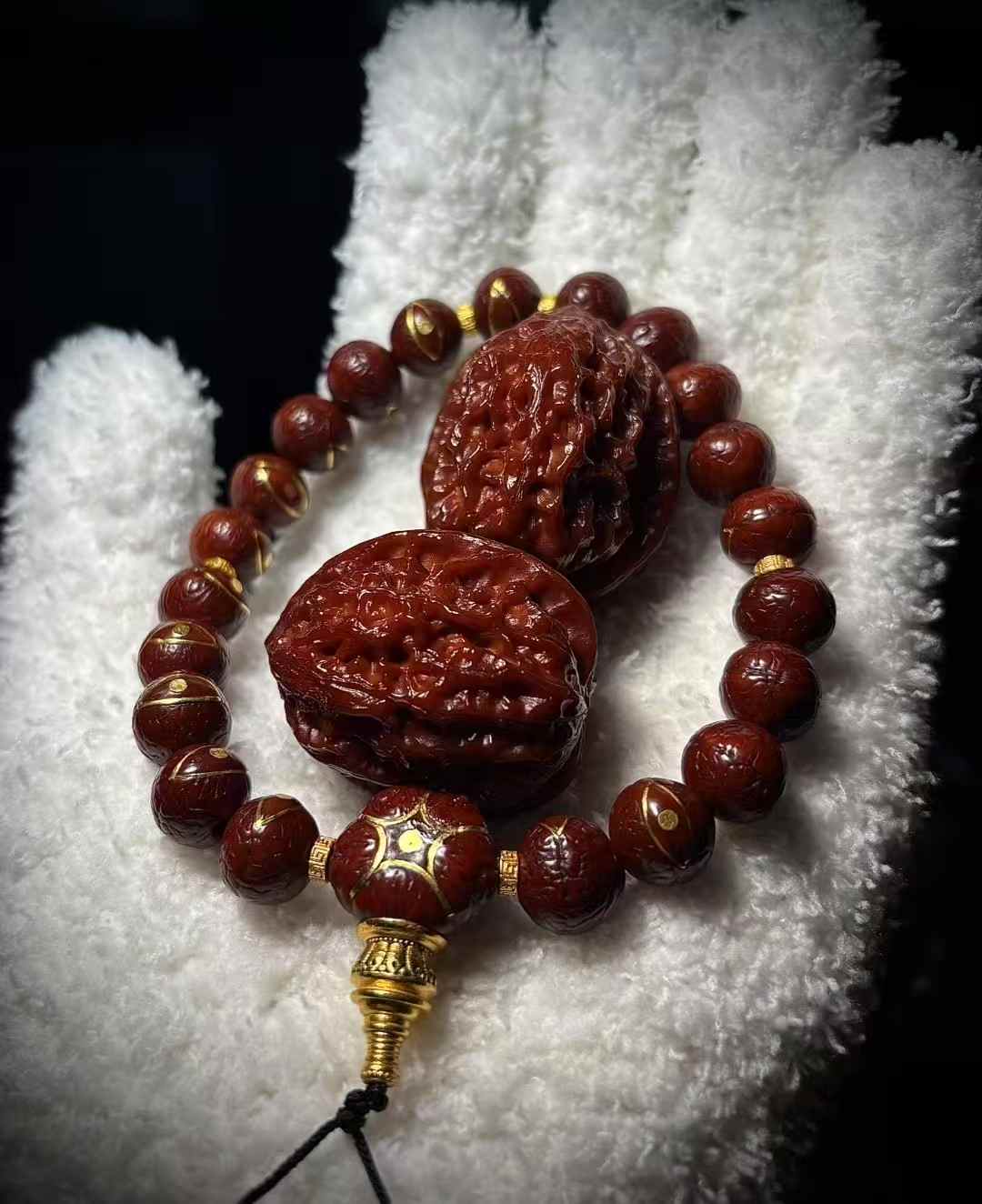
REF. 2 / Pairing Reference
Wenwan Walnut Reference — Pairing Reference (Ref. 2)
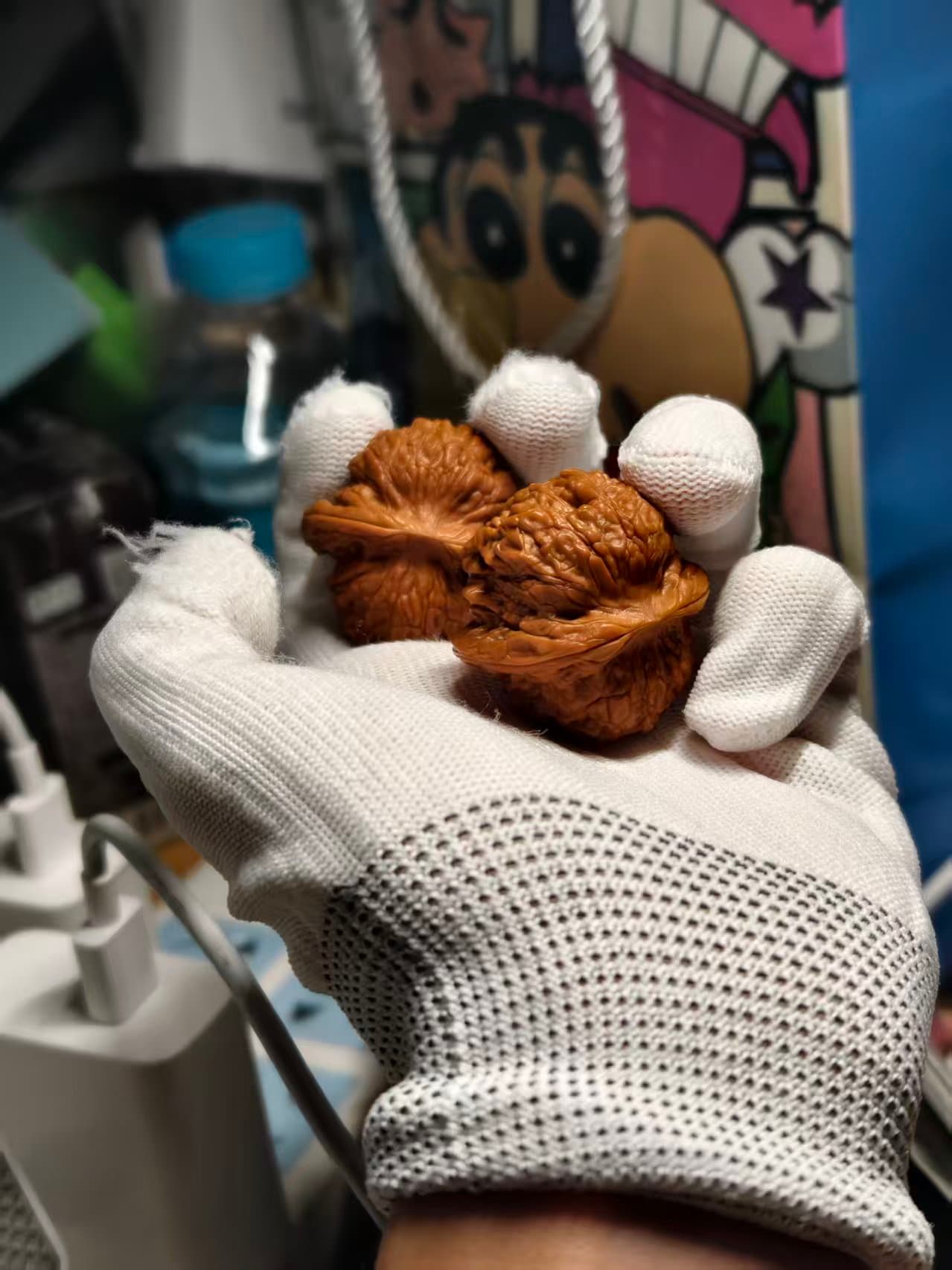
Practise the pairing check — match size and shape first, then texture, and notice how an honest pair is related but not cloned.
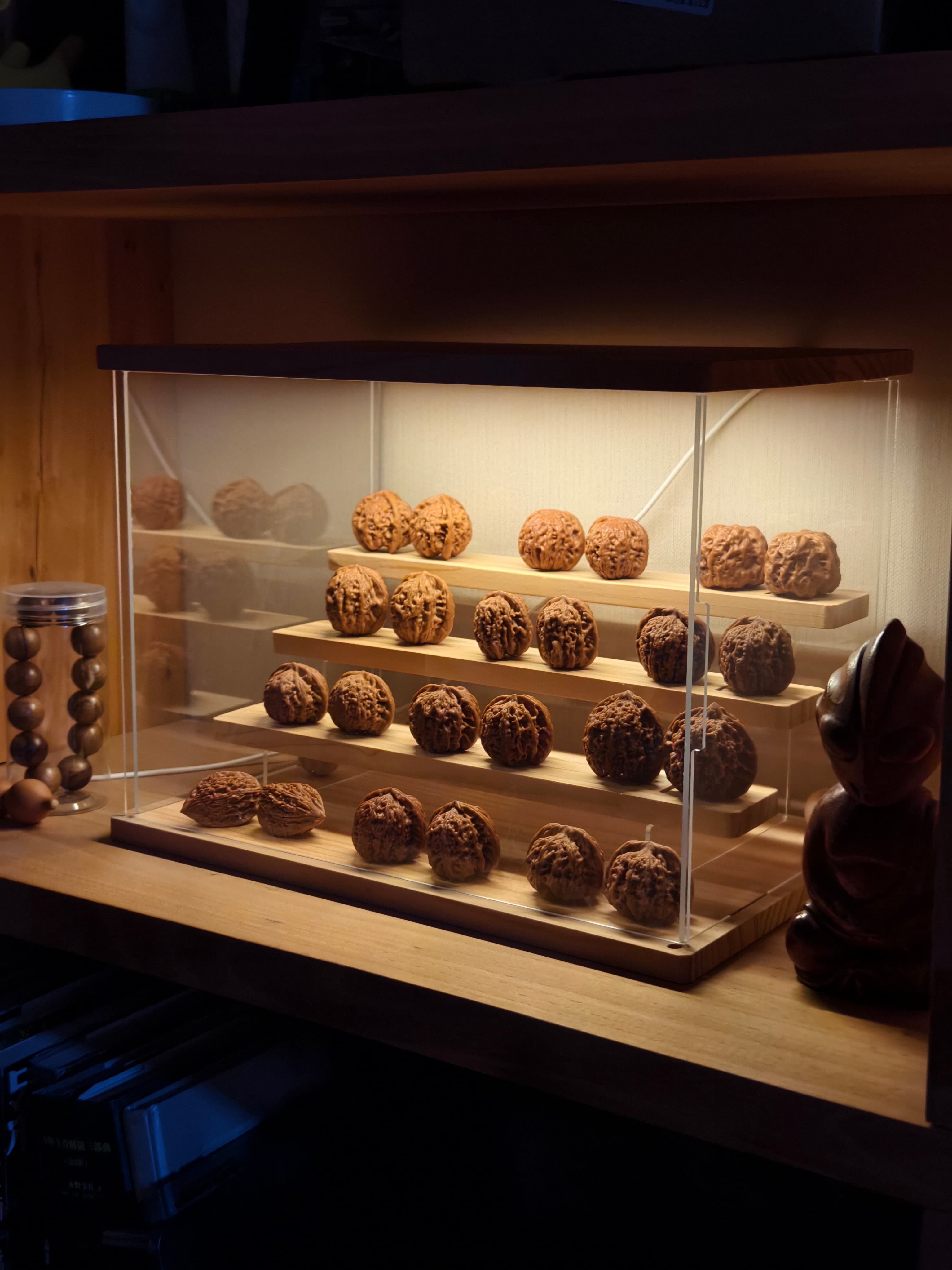
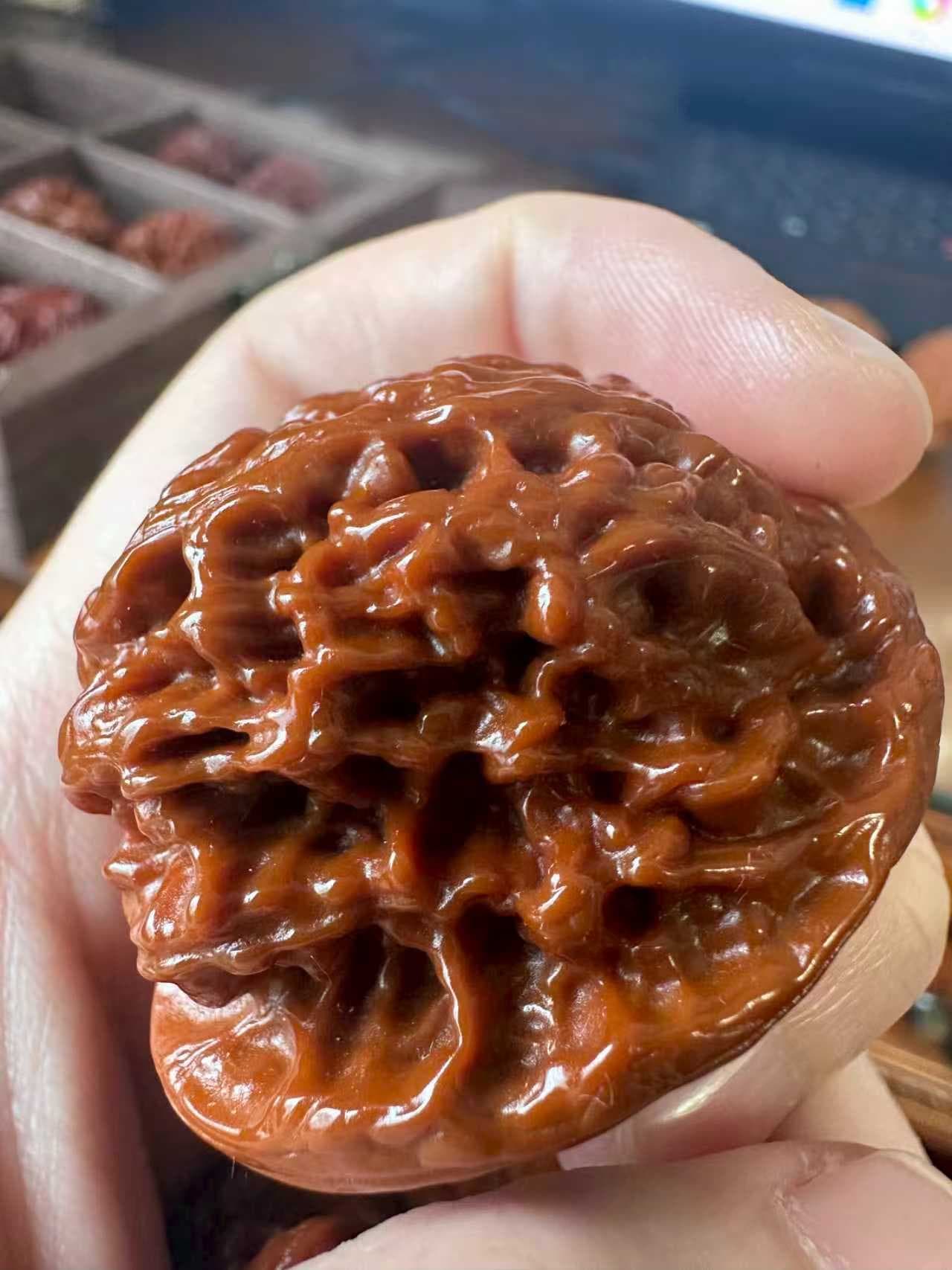
REF. 3 / Texture Reference
Wenwan Walnut Reference — Texture Reference (Ref. 3)
Texture focus — follow the ridges and check whether they flow organically or look stamped into repeating shapes.
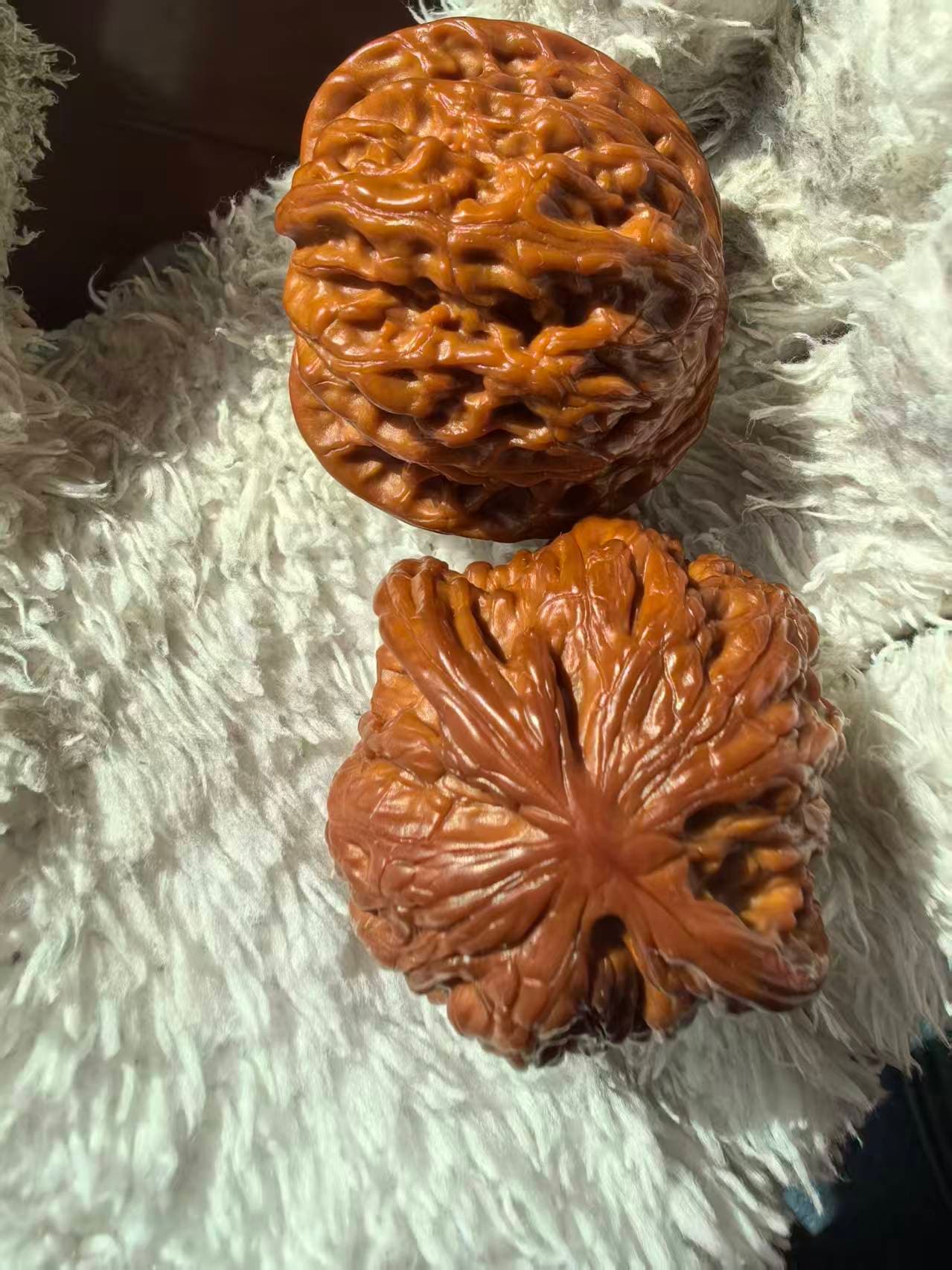
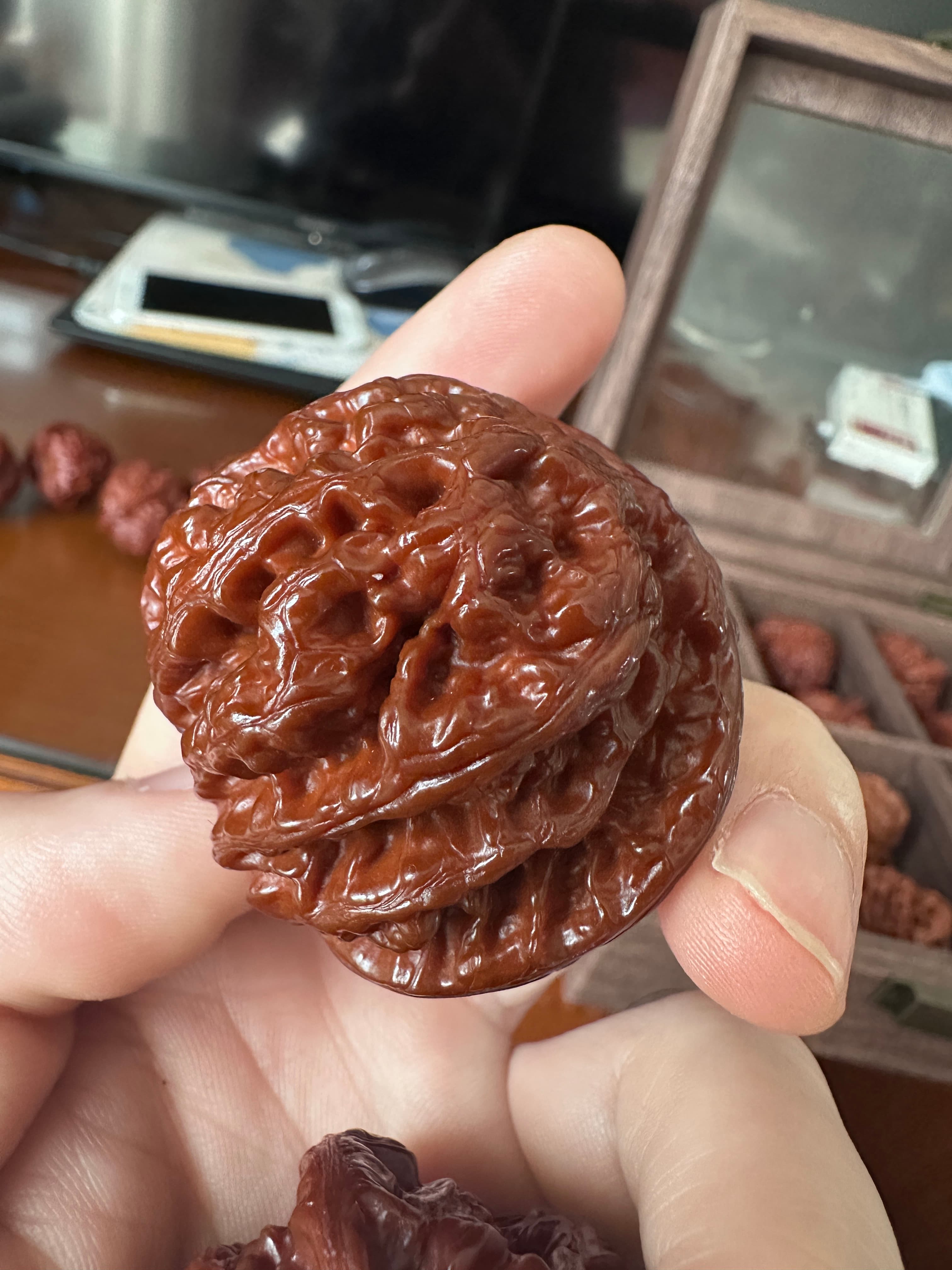
REF. 4 / Pairing Reference
Wenwan Walnut Reference — Pairing Reference (Ref. 4)
Pairing focus: do the two walnuts read as related in size, weight, and outline, or as two strangers placed together?
REF. 5 / Pairing Reference
Wenwan Walnut Reference — Pairing Reference (Ref. 5)
Practise the pairing check — match size and shape first, then texture, and notice how an honest pair is related but not cloned.
REF. 6 / General Reference
Wenwan Walnut Reference — General Reference (Ref. 6)
Rehearse the full read: outline first, then texture, then patina, then a condition scan.
REF. 7 / Texture Reference
Wenwan Walnut Reference — Texture Reference (Ref. 7)
Judge the texture: weigh ridge depth and clarity, and decide whether the surface reads as natural or treated.
REF. 8 / Patina Reference
Wenwan Walnut Reference — Patina Reference (Ref. 8)
Patina focus — ask whether the colour reads calmly aged and even, or suspiciously glossy and fast.
REF. 9 / Condition Reference
Wenwan Walnut Reference — Condition Reference (Ref. 9)
Condition focus — scan the surface and grooves for cracks, fillers, dye, or over-polish, as you would before buying.
REF. 10 / Patina Reference
Wenwan Walnut Reference — Patina Reference (Ref. 10)
Study the patina: even, settled colour suggests honest age; uneven or too-bright shine may signal forcing.
REF. 11 / Texture Reference
Wenwan Walnut Reference — Texture Reference (Ref. 11)
Texture focus — follow the ridges and check whether they flow organically or look stamped into repeating shapes.
REF. 12 / Pairing Reference
Wenwan Walnut Reference — Pairing Reference (Ref. 12)
Pairing focus: do the two walnuts read as related in size, weight, and outline, or as two strangers placed together?
REF. 13 / Condition Reference
Wenwan Walnut Reference — Condition Reference (Ref. 13)
Practise the condition scan: check the high points and the grooves first, since that is where flaws and repairs hide.
REF. 14 / General Reference
Wenwan Walnut Reference — General Reference (Ref. 14)
General focus — take in shape, texture, patina, and condition together before zooming in on any single trait.
REF. 15 / Patina Reference
Wenwan Walnut Reference — Patina Reference (Ref. 15)
Patina focus — ask whether the colour reads calmly aged and even, or suspiciously glossy and fast.
REF. 16 / Texture Reference
Wenwan Walnut Reference — Texture Reference (Ref. 16)
Judge the texture: weigh ridge depth and clarity, and decide whether the surface reads as natural or treated.
REF. 17 / Pairing Reference
Wenwan Walnut Reference — Pairing Reference (Ref. 17)
Practise the pairing check — match size and shape first, then texture, and notice how an honest pair is related but not cloned.
REF. 18 / Condition Reference
Wenwan Walnut Reference — Condition Reference (Ref. 18)
Condition focus — scan the surface and grooves for cracks, fillers, dye, or over-polish, as you would before buying.
REF. 19 / Patina Reference
Wenwan Walnut Reference — Patina Reference (Ref. 19)
Study the patina: even, settled colour suggests honest age; uneven or too-bright shine may signal forcing.
REF. 20 / Texture Reference
Wenwan Walnut Reference — Texture Reference (Ref. 20)
Texture focus — follow the ridges and check whether they flow organically or look stamped into repeating shapes.
REF. 21 / Pairing Reference
Wenwan Walnut Reference — Pairing Reference (Ref. 21)
Pairing focus: do the two walnuts read as related in size, weight, and outline, or as two strangers placed together?
REF. 22 / Condition Reference
Wenwan Walnut Reference — Condition Reference (Ref. 22)
Practise the condition scan: check the high points and the grooves first, since that is where flaws and repairs hide.
REF. 23 / Patina Reference
Wenwan Walnut Reference — Patina Reference (Ref. 23)
Patina focus — ask whether the colour reads calmly aged and even, or suspiciously glossy and fast.
REF. 24 / Texture Reference
Wenwan Walnut Reference — Texture Reference (Ref. 24)
Judge the texture: weigh ridge depth and clarity, and decide whether the surface reads as natural or treated.
REF. 25 / Pairing Reference
Wenwan Walnut Reference — Pairing Reference (Ref. 25)
Practise the pairing check — match size and shape first, then texture, and notice how an honest pair is related but not cloned.
REF. 26 / General Reference
Wenwan Walnut Reference — General Reference (Ref. 26)
Rehearse the full read: outline first, then texture, then patina, then a condition scan.
REF. 27 / Condition Reference
Wenwan Walnut Reference — Condition Reference (Ref. 27)
Condition focus — scan the surface and grooves for cracks, fillers, dye, or over-polish, as you would before buying.
REF. 28 / Patina Reference
Wenwan Walnut Reference — Patina Reference (Ref. 28)
Study the patina: even, settled colour suggests honest age; uneven or too-bright shine may signal forcing.